Early 19th Century Sunderland Pink Lustre Huge Nautical Decorated Jug, circa 1820
Early 19th Century Sunderland Pink Lustre Huge Nautical Decorated Jug, circa 1820
$1,700.00
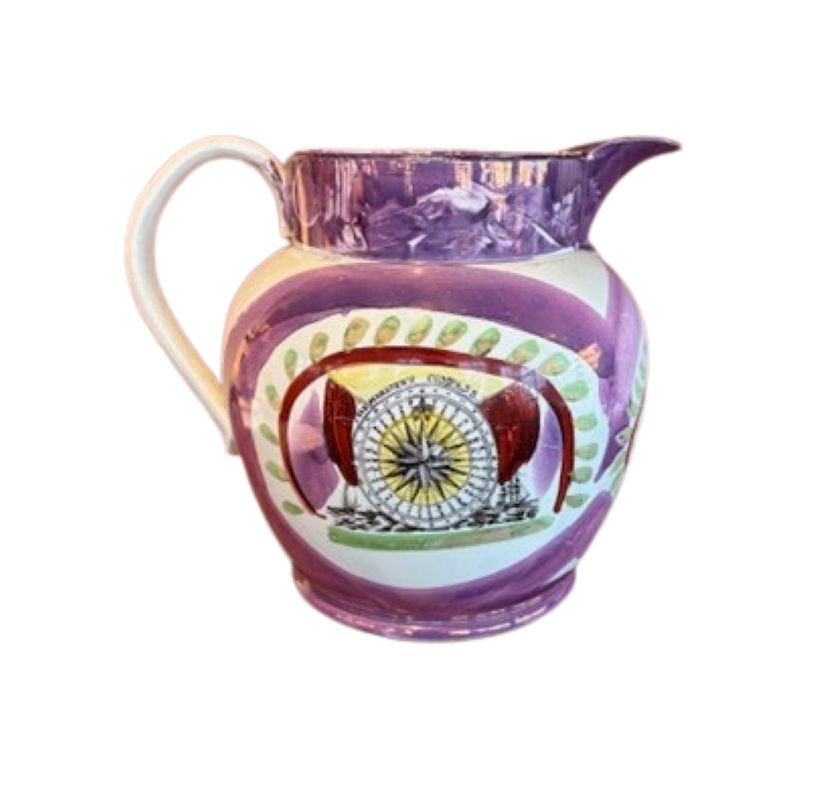
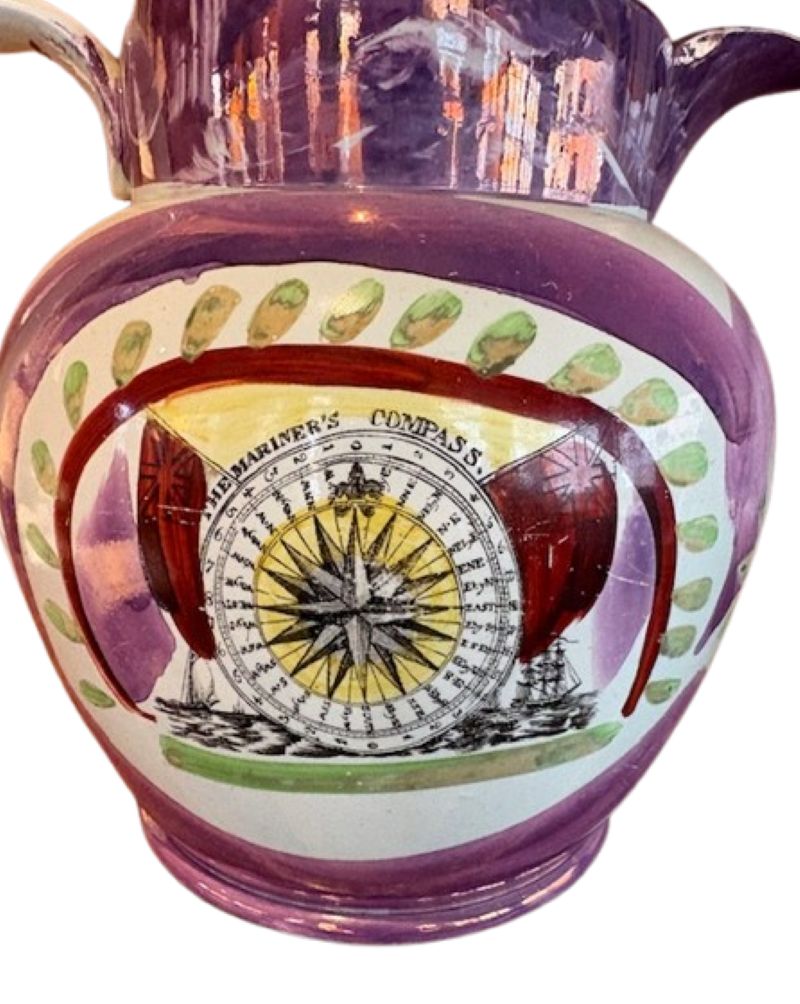
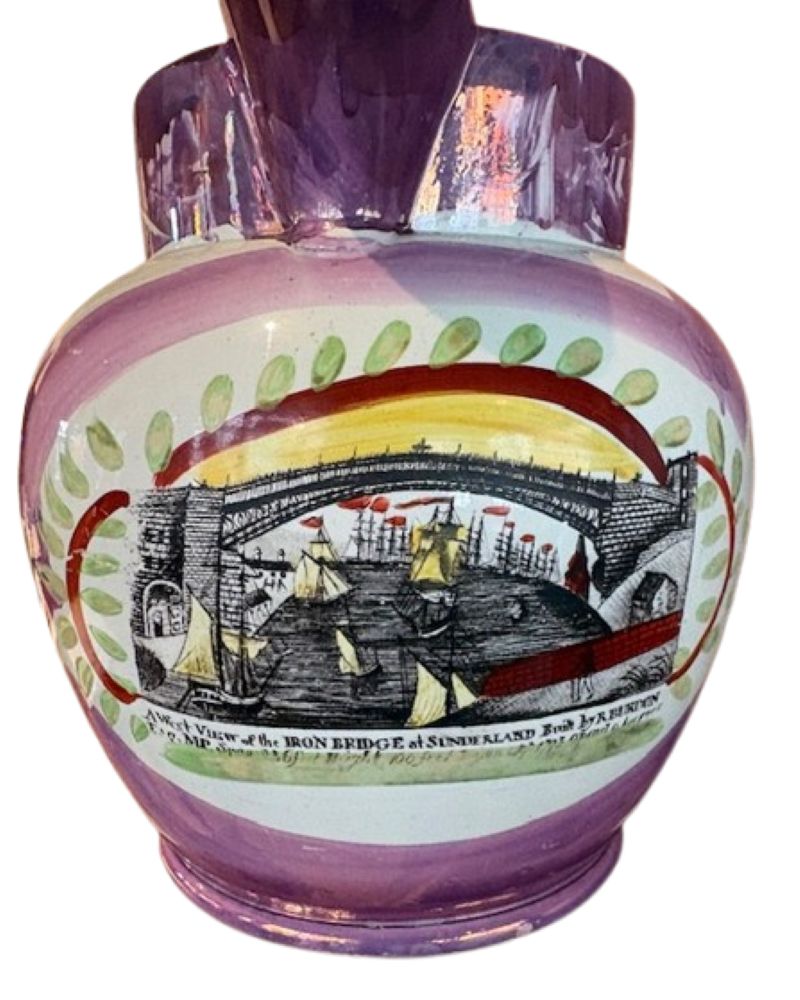
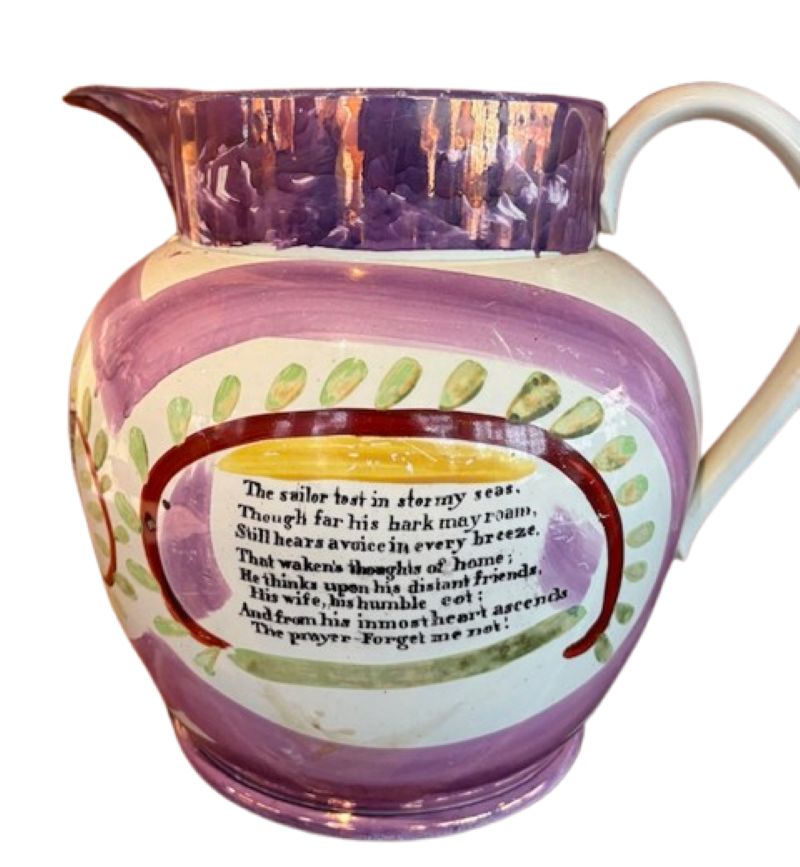
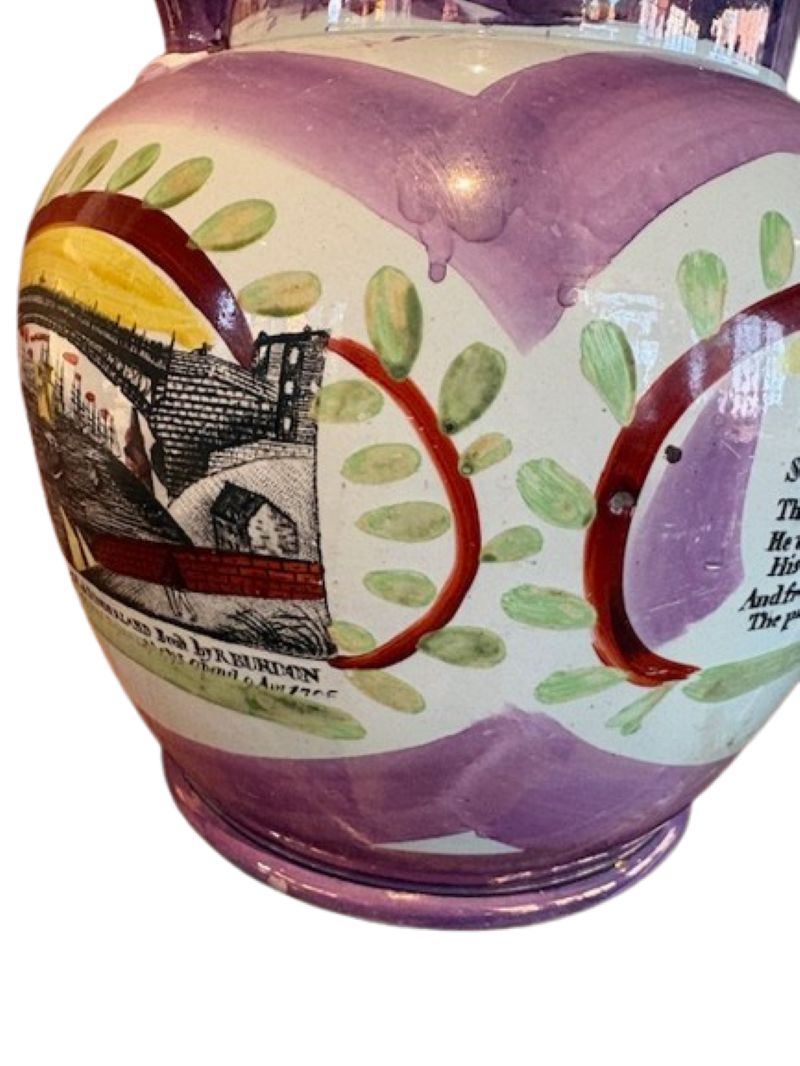
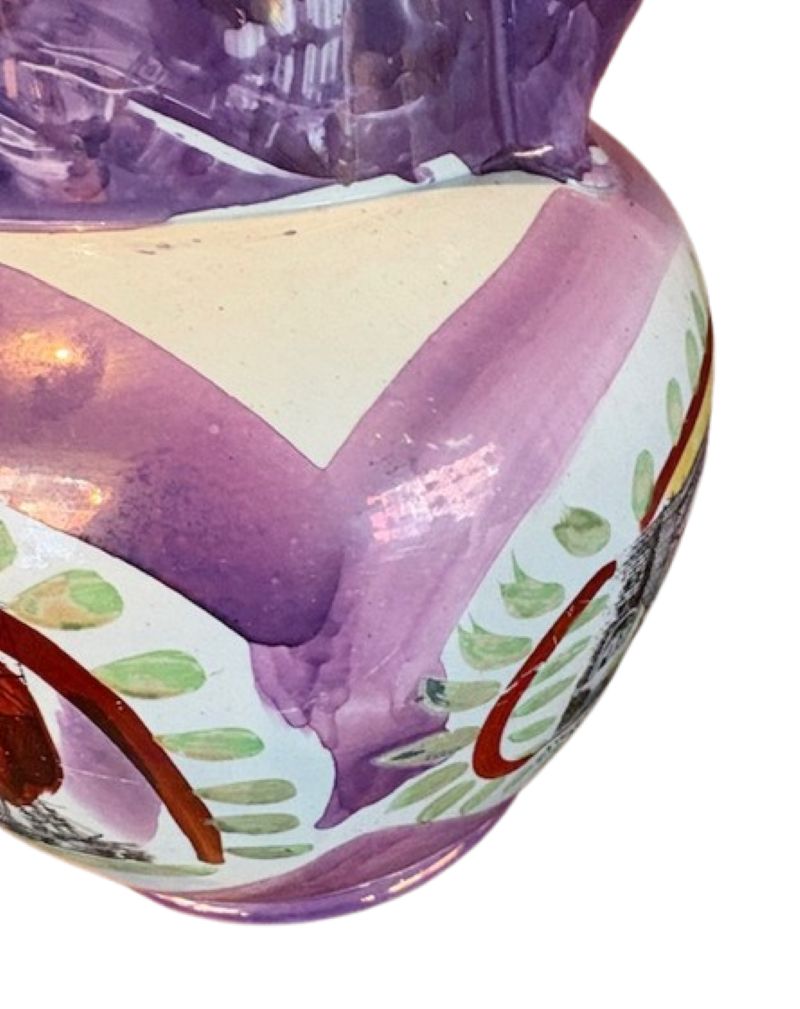
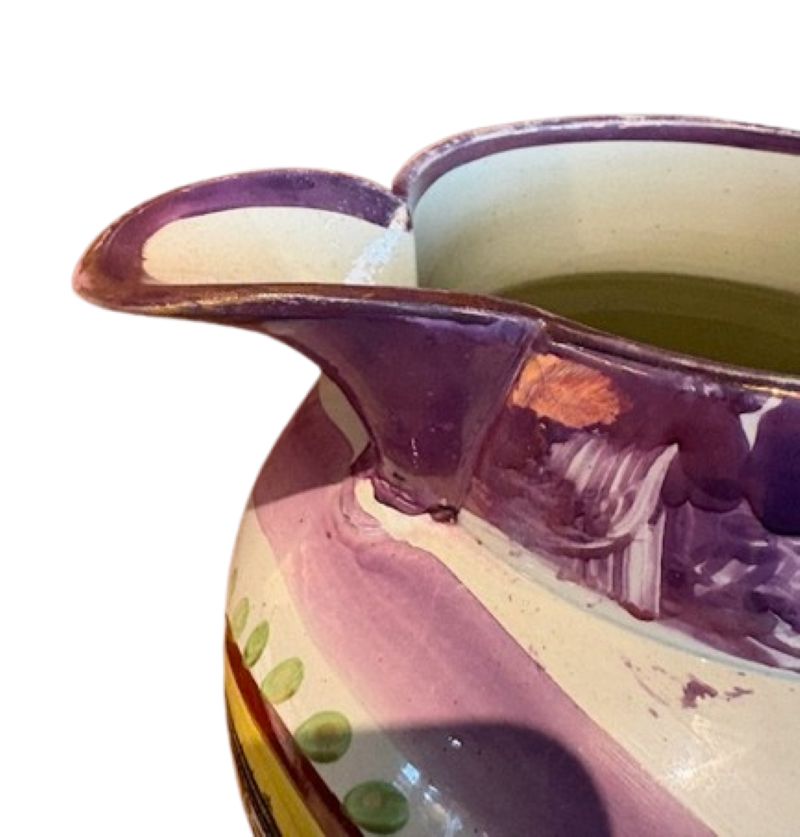
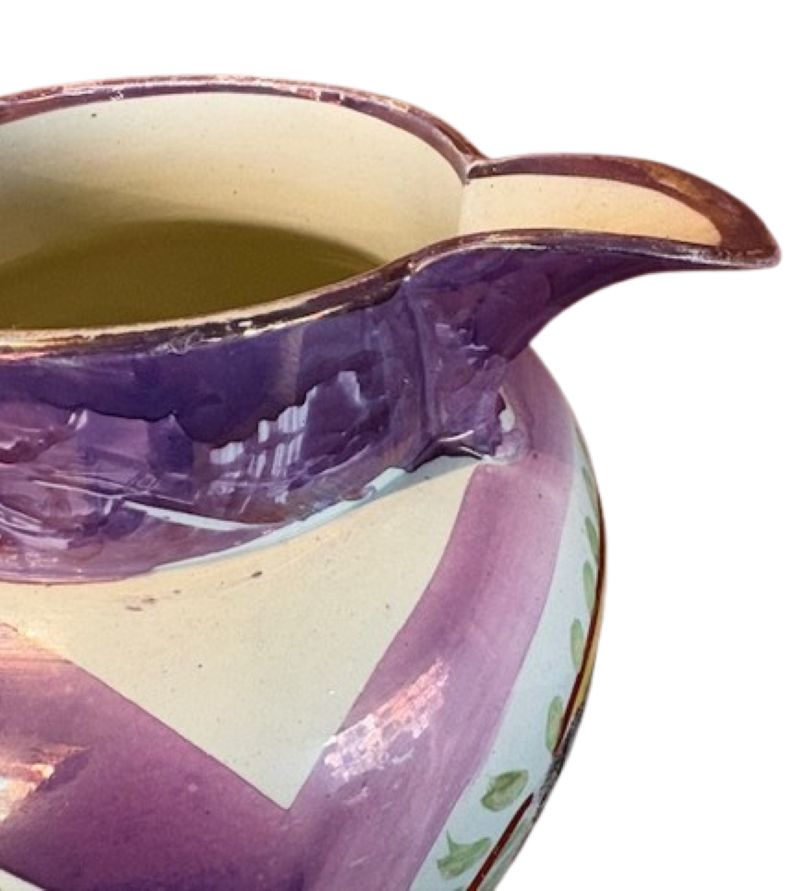
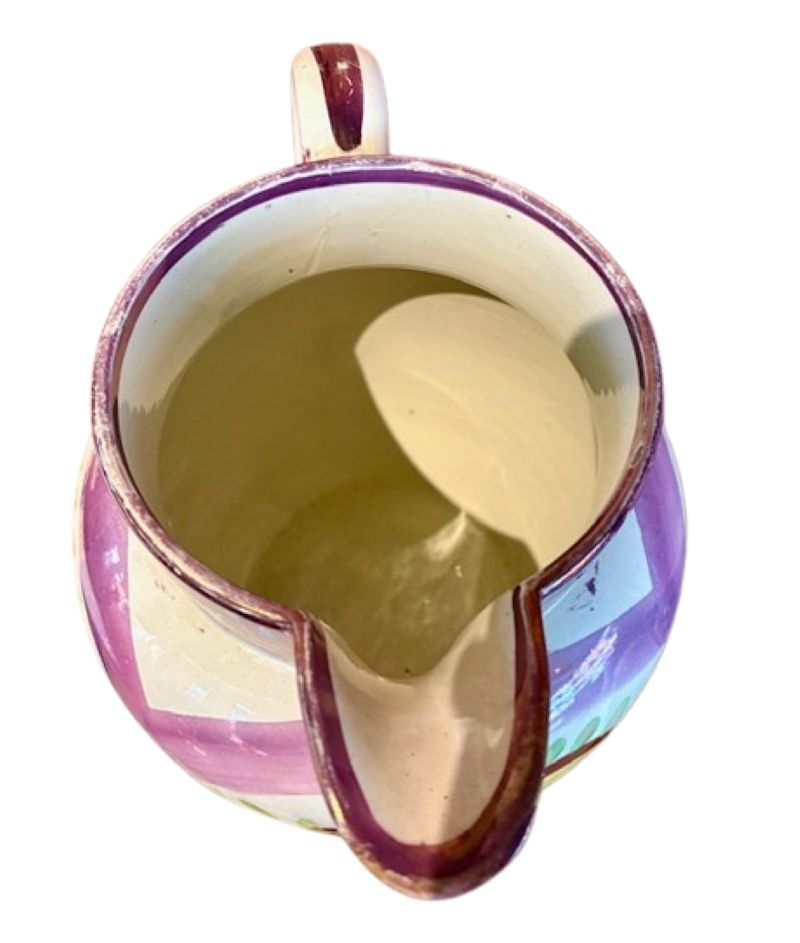
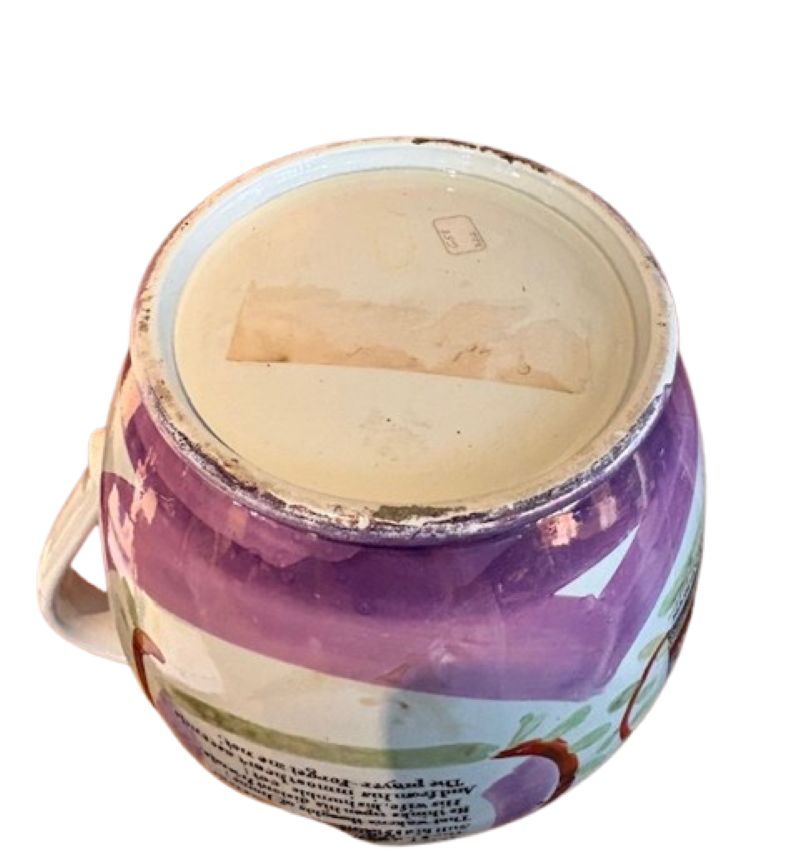
Early 19th Century Sunderland Pink Lustre Huge Nautical Decorated Jug, circa 1820, a soft paste spheroid vessel with upright neck, large pouring spout and bail handle, decorated with a compass rose opposing a verse on “A sailor tost in stormy seas,” and under the spout a detailed view of the bridge over the River Wear in Sunderland, with pink lustre swatches and glaze. This is an exceptionally large lustre vessel, the largest I have ever seen.
In stock
Early 19th Century Sunderland Pink Lustre Huge Nautical Decorated Jug, circa 1820, a soft paste spheroid vessel with upright neck, large pouring spout and bail handle, decorated with a compass rose opposing a verse on “A sailor tost in stormy seas,” and under the spout a detailed view of the bridge over the River Wear in Sunderland, with pink lustre swatches and glaze. This is an exceptionally large lustre vessel, the largest I have ever seen.
The jug remains in very fine condition and the decoration remains bright and true.
Lustreware was first made in England at the start of the 19th century, and was initially developed in Staffordshire, where Wedgwood developed a pink or gold lustre finish about 1805 which they sold as “Moonlight” The Sunderland factories mostly made fairly cheap and popular pieces, many of them plaques, especially rectangular ones with “picture frame” edges, and an image or inscription in the central panel. Decorations included transfer-printed images of a ship, celebrity, building, a view of their beloved bridge, or a painted personal inscription (known as presentation pieces). Many used the “splash lustre” effect, achieved by dropping drops of oil onto the piece before firing.
Seven pottery works in Sunderland are known to have produced lustrewares in the nineteenth century. Many are not marked, and are hard or impossible to distinguish from similar wares made in Staffordshire potteries, as well as in Newcastle upon Tyne and North Shields. As a result the term “Sunderland” has become a term for the style, rather than just a specific indication of origin.
Measures: 9-1/4 in H x 9-1/2 in Diameter